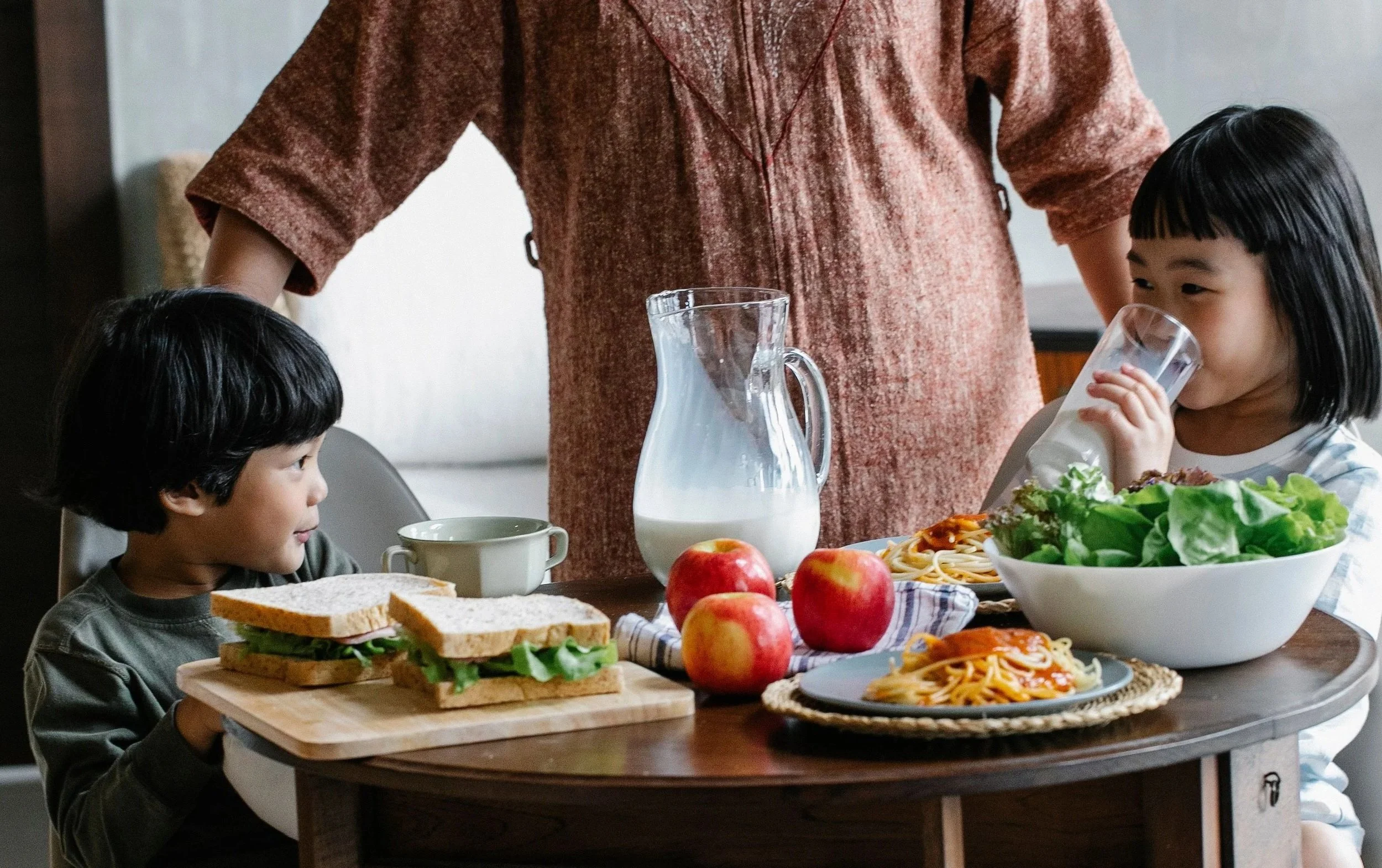
Information alone doesn't change your child's behavior.
For children, teens & familiesEvidence-based, brain-based coaching skills do. They bridge the gap between knowing what to eat and actually feeling good doing it.
"Picky" eating
Eating "too much" or "too little"
Obsessing over sweets, sugary drinks, and "junk"
Or a teen caught in the endless scroll of body image, diet trends, and comparison
Whether it's…
…you don't need another list of food rules. You need skills that actually stick.
There are 4 small things that separate a child who has a complicated relationship with food from a confident one.
Over the last 24 years of working with children and families, Lauren noticed a pattern.
The good news? They’re learnable. You and your child or teen can build the skills to strengthen and prioritize their relationship with food, body, and mind.

Find out what they are on a complimentary Confident Eater Call.
This call is for you if:
You’re worried about how much your child eats, whether it’s too much or too little
Your child doesn’t want to try new foods, or eats a limited variety
You constantly second-guess yourself, or disagree with your partner or family about how to handle feeding
You just want your child to have a healthy relationship with food and their body, and you want to do it “right”
The Raising Confident Eaters Experience
What changes for your family
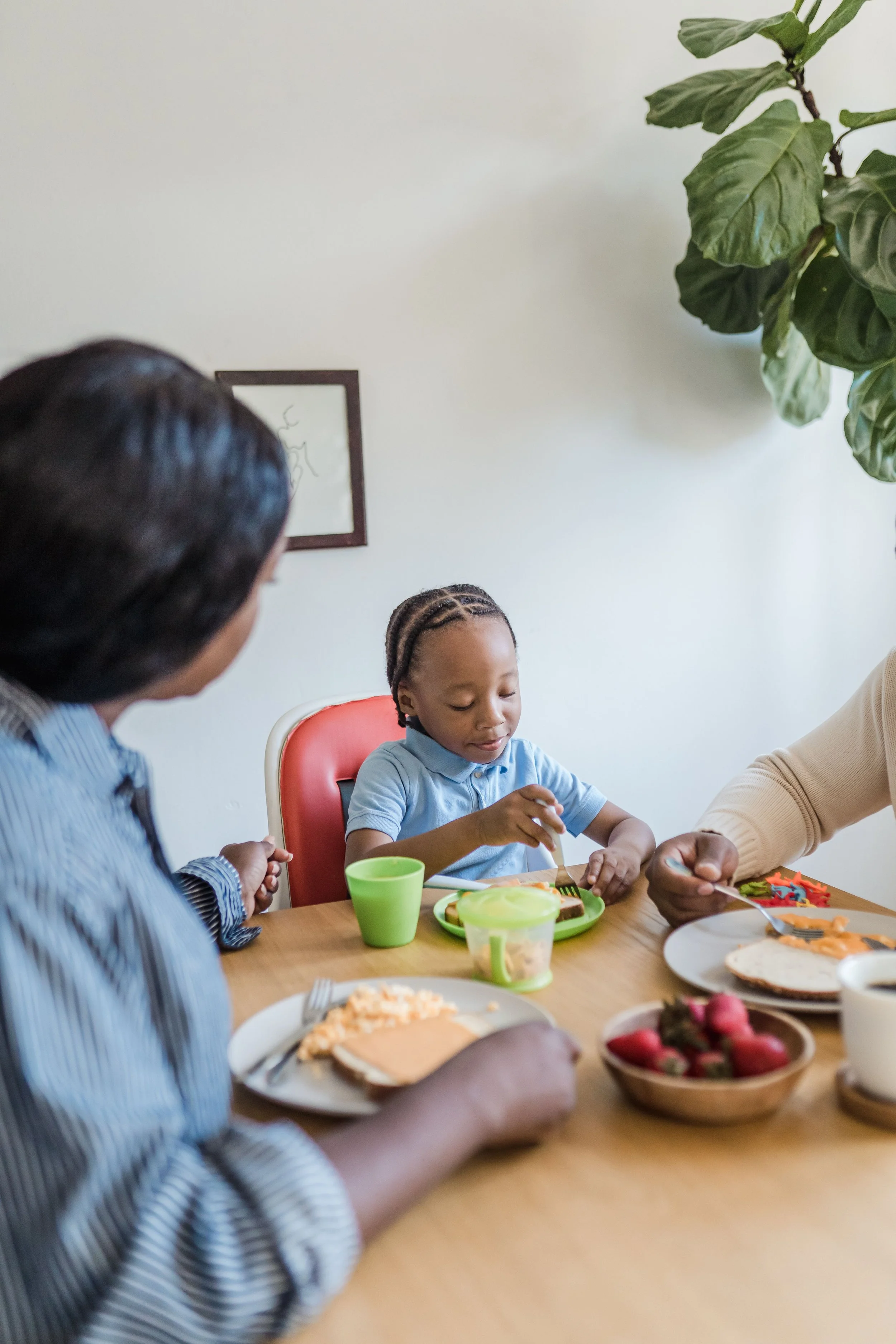
At the table
Balanced, nourishing, and flexible meal and snack patterns
Meeting energy and nutrient needs
More food variety through low-pressure exposures and experiences
More mindful eating: less restriction, less mindless eating
Eating with ease and confidence

In their body
More energy, better focus, and a steadier mood
Measurable improvements in blood work, including cholesterol, glucose, and HbA1c
Body respect, appreciation, and healthier ways to cope with change

In their mind
Lasting shifts in food behavior and mindset
Choosing a long-term vision over quick comfort and immediate gratification
Fewer self-critical thoughts, more self-worth and confidence
Internal motivation to become a confident, empowered eater
Finding joy and fulfillment along the way

Guided by the 5 C's
Connection — with your child, with food, and with their own body cues
Choice — kids build confidence when they get a say
Curiosity — swapping judgment for questions
Courage — trying new foods, new thoughts, and new habits
Creativity — making nourishment fun, flexible, and their own

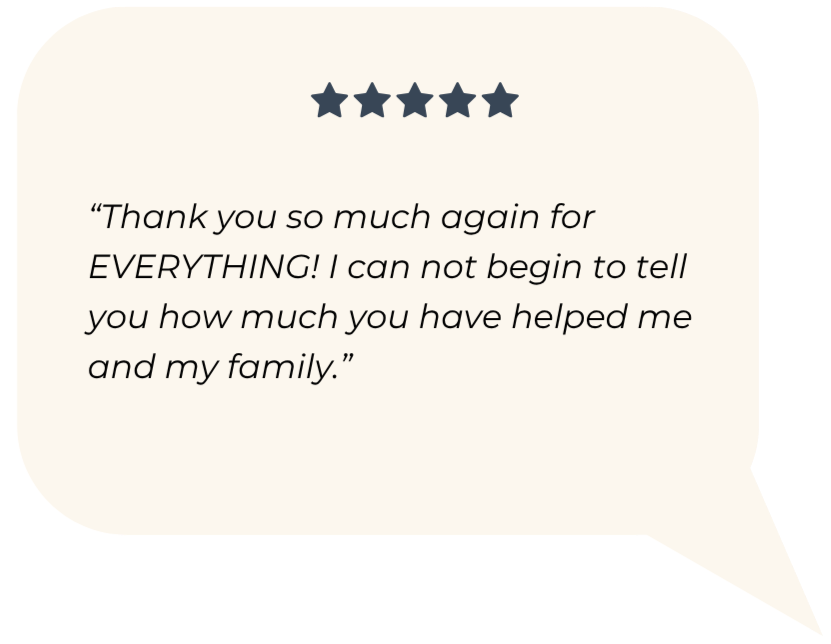
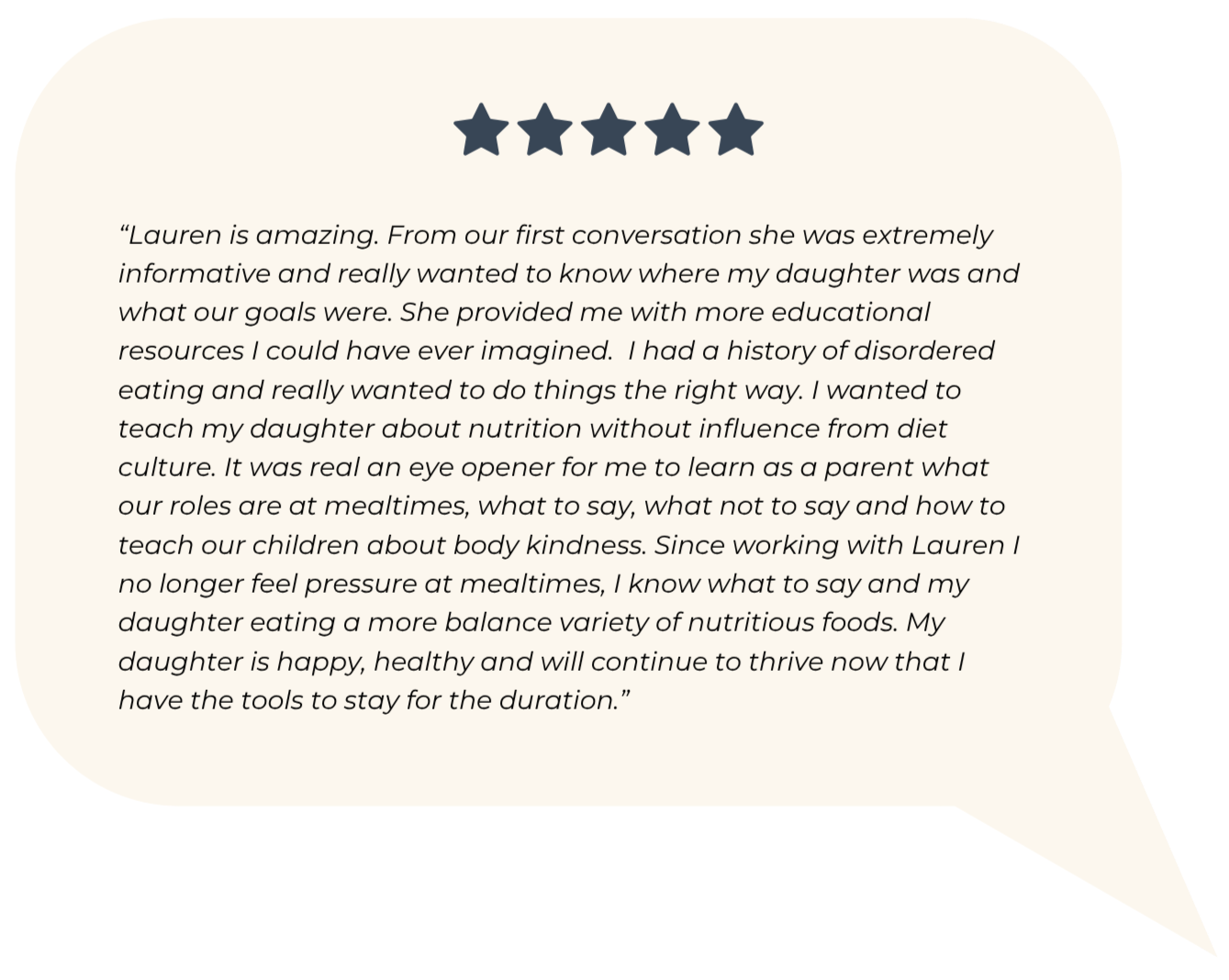
What parents and children are saying:
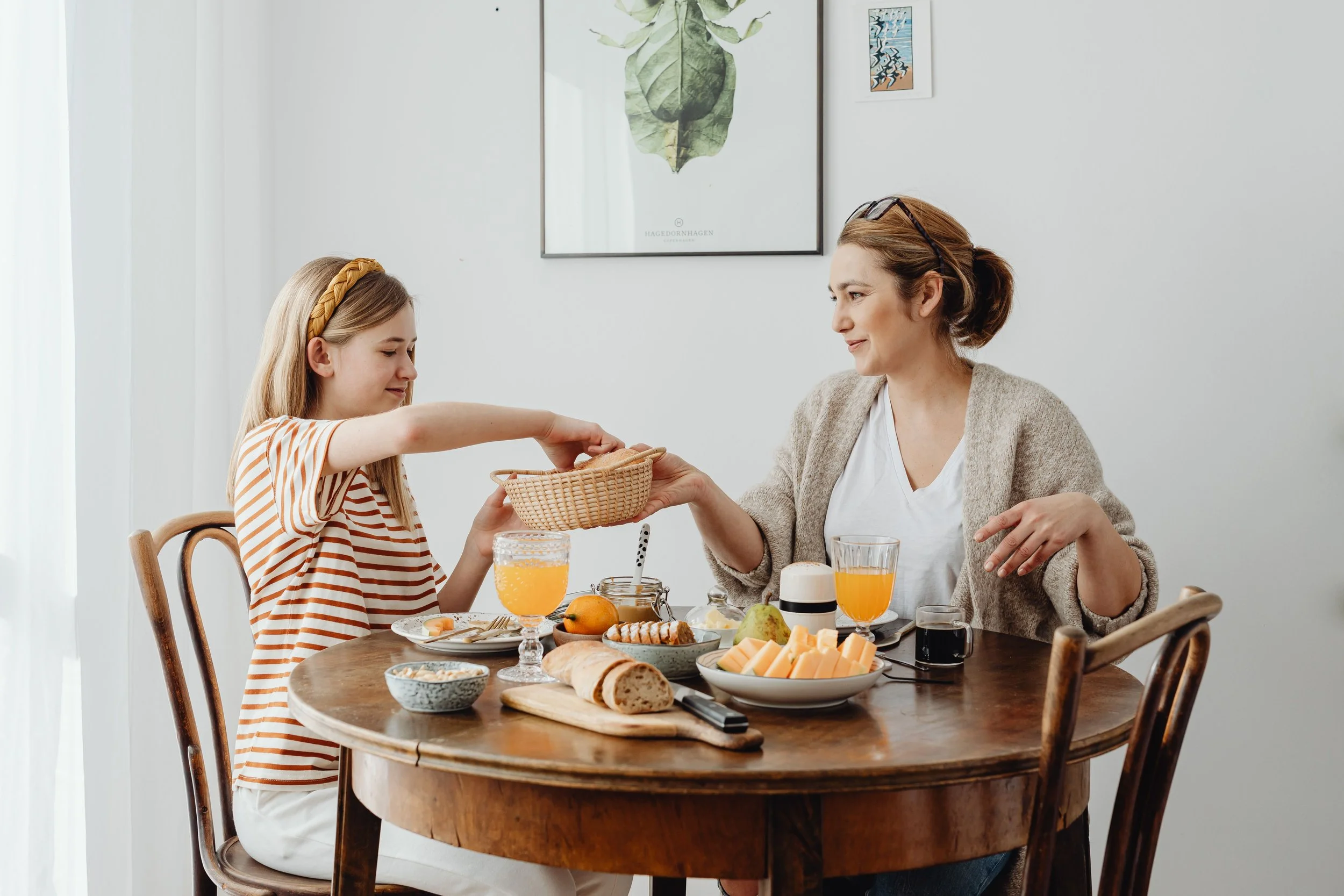
Ready to help your child feel confident around food?
No food rules. No shame. Just real skills for your child, your teen, and your whole family.